


Nestled In: A Warm Guide to Finding Your First Home

Nestled In: A Warm Guide to Finding Your First Home

Embarking on the journey of buying your first home is a monumental step filled with excitement, anticipation, and perhaps a touch of apprehension. Whether you’re considering a traditional house, a cozy apartment, or a modern condo, the process of becoming a homeowner requires careful planning and informed decision-making. In this blog, we’ll explore essential tips and insights tailored to first-time homebuyers, including those specifically looking into first-time condo buyers.

Understanding the First-Time Home Buying Experience

For many individuals or couples, purchasing their first home marks a significant milestone. It’s a transition from renting or living with family to owning a place they can call their own—a space where memories will be made and dreams realized. However, the process can seem overwhelming without the right guidance and knowledge.

Exploring Options: First-Time Condo Buyers

As the real estate market evolves, condos have become an attractive option for first-time homebuyers, including first-time condo buyers. Condos offer a blend of convenience, amenities, and community living that appeal to many individuals and young families. If you’re considering buying a condo as your first home, here are some key considerations:

  1. Location Matters: Research different neighborhoods and assess their proximity to amenities such as schools, shopping centers, public transportation, and recreational areas. Consider your daily commute and lifestyle preferences when choosing a location for first-time condo buyers.
  2. Budget Wisely: Determine your budget early in the process and factor in not just the purchase price but also ongoing expenses such as homeowner association (HOA) fees, property taxes, insurance, and maintenance costs. A clear budget will help you narrow down your options and avoid financial strain as first-time condo buyers.
  3. Understand Condo Associations: Condos are typically governed by homeowner associations (HOAs) that manage common areas, amenities, and maintenance. Familiarize yourself with the HOA rules, fees, and regulations to ensure they align with your lifestyle and expectations as first-time condo buyers.
  4. Assess Amenities and Services: Condos often offer amenities such as swimming pools, fitness centers, security, and landscaping services. Evaluate these amenities and determine which ones are essential for your comfort and convenience as first-time condo buyers.
  5. Review Condo Documents: Before making an offer, review the condo’s governing documents, including the HOA bylaws, financial statements, and meeting minutes. This information provides insights into the condo’s management, financial health, and any ongoing issues for first-time condo buyers.

Tips for All First-Time Homebuyers

While these tips are tailored to first-time condo buyers, there are universal principles that apply to all first-time homebuyers:

  • Get Pre-Approved: Obtain a mortgage pre-approval to understand your borrowing capacity and demonstrate to sellers that you’re a serious buyer as first-time condo buyers.
  • Work with a Realtor: A professional real estate agent can guide you through the homebuying process, negotiate on your behalf, and provide valuable insights about the market for first-time condo buyers.
  • Inspect Thoroughly: Schedule a home inspection to uncover any potential issues or maintenance concerns before finalizing the purchase as first-time condo buyers.
  • Plan for the Future: Consider your long-term plans and how the chosen property aligns with your future goals, such as family expansion, career changes, or investment opportunities for first-time condo buyers.

Conclusion: Your Homeownership Journey Begins

Becoming a first-time homebuyer, whether in a traditional house or a condo, is an exciting and rewarding experience for first-time condo buyers. By educating yourself, seeking expert advice, and staying realistic about your budget and preferences, you can navigate the process with confidence. Remember, your first home is more than just a property—it’s a place where new chapters of your life unfold and memories are cherished.

If you’re ready to explore the world of first-time homebuying, including options for first-time condo buyers, connect with experienced real estate professionals who can guide you towards making informed choices and finding your perfect home sweet home.
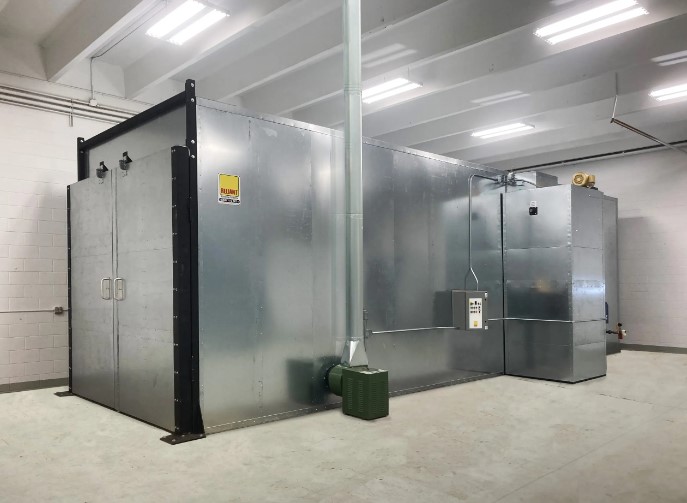
How to Choose the Right Heating System for Your Industrial Oven

How to Choose the Right Heating System for Your Industrial Oven

Selecting the right heating system for your industrial oven is a critical decision that impacts the efficiency, productivity, and cost-effectiveness of your operations. Whether you’re operating powder coating ovens or any other industrial ovens, the choice you make influences the quality of your output and the sustainability of your process. This guide aims to provide you with comprehensive insights into making an informed decision that aligns with your industrial needs.

Understanding Your Industrial Oven Requirements

Before diving into the myriad of heating options available, it’s essential to have a clear understanding of what you expect from your industrial oven. The nature of your process—be it curing, drying, pre-heating, or any other application—dictates the specifications your oven must meet. Factors such as temperature uniformity, size, throughput, and material handling capabilities play a significant role in determining the appropriate heating system. Identifying these requirements early on sets a strong foundation for selecting a system that aligns with your operational goals.

Evaluating Heating Options for Precision and Efficiency

With your requirements in hand, it’s time to explore the heating options that promise the precision and efficiency your operations demand. From conventional gas-fired burners to electric infrared systems, each technology offers distinct advantages. Gas systems, for instance, are renowned for their robustness and high throughput capabilities, making them a staple in many heavy-duty applications. Conversely, electric heaters offer unmatched precision and control, ideal for processes requiring meticulous temperature management. The choice between these options should be influenced by the specific needs of your processes and the desired outcome.

Considering Energy Efficiency and Cost-effectiveness

In today’s industrial landscape, energy efficiency isn’t just a buzzword—it’s a necessity. The operational cost of your industrial oven is significantly impacted by the energy efficiency of its heating system. Technologies that optimize energy use can lead to substantial cost savings over time. Furthermore, with the growing emphasis on sustainability, choosing a system that minimizes energy consumption can enhance your company’s environmental profile. Analyzing the energy requirements of each heating option and balancing them with the initial investment and ongoing operational costs is crucial for a cost-effective decision.

Assessing Heating System Integration with Industrial Processes

The integration of your heating system with existing industrial processes is paramount for a seamless operation. The compatibility of the heating system with your material handling, process controls, and workflow has a direct impact on productivity. A system that can be easily integrated into your operations without necessitating significant modifications is ideal. Additionally, the flexibility of the heating system to adapt to process variations and future expansions should be considered to ensure long-term viability.

Factoring in Maintenance and Longevity of Heating Systems

Maintenance and longevity are critical factors that often go overlooked in the selection process. A durable heating system that requires minimal maintenance not only ensures continuous operation but also reduces the total cost of ownership. It’s imperative to consider the maintenance needs of each heating option, including the availability of spare parts and the expertise required for repairs. A system with a proven track record of reliability and long service life will contribute to the overall efficiency and productivity of your operations.

Ensuring Compliance and Safety Standards in Heating Selection

Lastly, compliance with industry standards and safety regulations cannot be compromised. The heating system you choose must meet all relevant safety standards to protect your facility and personnel. This includes adherence to fire codes, environmental regulations, and workplace safety guidelines. Ensuring that your heating system supplier has a solid reputation for compliance and safety will mitigate risks and contribute to a safer, more reliable operation.

Choosing the right heating system for your industrial oven involves a careful analysis of your specific needs, the evaluation of different heating technologies, and a consideration of energy efficiency, cost-effectiveness, and compliance standards. By taking a comprehensive approach that addresses these critical aspects, you can select a heating system that enhances the productivity and efficiency of your operations, whether they involve powder coating ovens or any other industrial applications. Remember, the right choice not only impacts your immediate operations but also your long-term success and sustainability cnc milling machine.