


Electric Engine for Boats: A Sustainable and Efficient Choice

Electric Engine for Boats: A Sustainable and Efficient Choice

As the world moves towards a greener and more sustainable future, the use of electric engines for boats has gained significant attention. With their environmental friendliness, quiet operation, and fuel efficiency, electric engines are revolutionizing the boating industry. In this article, we will explore the advantages, types, factors to consider, installation and maintenance, challenges, future trends, and provide answers to some frequently asked questions about electric engines for boats.

Introduction

Boating enthusiasts and professionals alike are increasingly embracing electric engines as a viable alternative to traditional gasoline engines. An electric engine for a boat, also known as an electric motor or electric propulsion system, is powered by electricity stored in batteries instead of relying on fossil fuels. This shift not only reduces carbon emissions but also offers numerous benefits to boat owners and the environment.

What is an Electric Engine for a Boat?

An electric engine for a boat is a propulsion system that converts electrical energy into mechanical energy, propelling the vessel through the water. Unlike conventional engines, electric motors do not require internal combustion and produce zero emissions during operation. They utilize rechargeable batteries as their power source and provide a clean and quiet boating experience.

Advantages of Using an Electric Engine for Boats

Environmental Friendliness

One of the primary advantages of electric engines for boats is their positive impact on the environment. By eliminating exhaust emissions, such as carbon dioxide and pollutants, electric engines contribute to cleaner air and water. This not only reduces the carbon footprint but also protects marine ecosystems, making electric boating an eco-friendly choice.

Quiet Operation

Another notable advantage of electric engines is their whisper-quiet operation. Unlike traditional engines that generate noise and vibrations, electric motors offer a serene and peaceful boating experience. This feature is particularly appealing to those seeking tranquility on the water and allows for better communication between passengers.

Fuel Efficiency

Electric engines are highly efficient compared to their gasoline counterparts. They convert a higher percentage of electrical energy into propulsion, resulting in reduced energy wastage. Additionally, regenerative braking systems enable electric engines to recharge batteries while decelerating or sailing, further enhancing overall fuel efficiency. This means that electric boats can travel longer distances on the same amount of energy, maximizing their range and minimizing the need for frequent refueling or recharging.

Low Maintenance

Electric engines for boats offer significant advantages in terms of maintenance. Unlike gasoline engines with complex mechanical systems, electric motors have fewer moving parts, resulting in reduced wear and tear. This translates to lower maintenance costs and fewer visits to the mechanic. Additionally, electric engines do not require oil changes, spark plug replacements, or other traditional engine maintenance tasks, making them more convenient and cost-effective in the long run.

Types of Electric Engines for Boats

When it comes to electric engines for boats, there are several options available, each with its own characteristics and applications. Here are the most common types:

Outboard Electric Motors

Outboard electric motors are designed to be mounted externally on the stern of the boat. They are versatile and suitable for a wide range of boats, from small recreational vessels to larger pontoons. Outboard motors provide easy maneuverability, allowing boaters to navigate shallow waters and tight spaces with precision. They are typically lightweight, making installation and removal hassle-free.

Inboard Electric Motors

Inboard electric motors are installed inside the hull of the boat, usually below the waterline. They provide a cleaner look and a more streamlined profile compared to outboard motors. Inboard motors are often preferred for larger boats and yachts, where space and aesthetics are important considerations. These motors can deliver higher power output and are typically more efficient for long-distance cruising.

Electric Saildrives

Electric saildrives combine the features of an electric motor and a saildrive system. Saildrives are propulsion units that integrate a motor, propeller, and transmission, usually located beneath the waterline. Electric saildrives offer efficient and quiet propulsion for sailboats, allowing sailors to enjoy the serenity of sailing while having the convenience of an electric motor when needed.

Factors to Consider When Choosing an Electric Engine for Your Boat

Selecting the right electric engine for your boat requires careful consideration of various factors. Here are some key aspects to evaluate:

Power Requirements

The power requirements of your boat depend on its size, weight, and desired speed. It’s important to choose an electric engine with sufficient power to propel your boat effectively. Consult with manufacturers or marine electric specialists to determine the appropriate power rating for your specific vessel.

Battery Capacity and Range

The battery capacity of an electric boat determines its range and how long it can operate before requiring a recharge. Consider your boating needs and the distances you typically cover. Opt for a battery system that can provide adequate range without compromising performance. Advances in battery technology have increased the energy density and range capabilities of electric boats, offering more options for boaters.

Installation Considerations

Installing an electric engine may require modifications to your boat’s design and electrical system. Consider the space available for battery storage, motor placement, and wiring requirements. Depending on the complexity of the installation, professional assistance may be necessary to ensure a safe and efficient setup.

Cost and Budget

The cost of electric engines for boats can vary significantly depending on the size, power, and brand. Consider your budget and weigh the long-term cost savings associated with reduced fuel consumption and maintenance. It’s essential to strike a balance between upfront costs and long-term benefits.

Installation and Maintenance of Electric Engines

Installing an electric engine for your boat involves several steps to ensure proper functioning and safety. Here’s an overview of the installation process:

Installation Process

  1. Assess your boat’s electrical system and determine the best location for the motor and batteries.
  2. Install the motor mount or bracket according to the manufacturer’s instructions.
  3. Connect the motor to the boat’s electrical system, ensuring proper wiring and connections.
  1. Install the batteries in a secure and well-ventilated location, following the manufacturer’s guidelines.
  2. Connect the batteries to the motor and ensure the wiring is properly insulated and protected.
  3. Test the motor and electrical system to ensure everything is functioning correctly.
  4. Conduct a sea trial to evaluate the performance of the electric engine and make any necessary adjustments.

Routine maintenance for electric engines is relatively straightforward. Here are some essential maintenance tasks:

Routine Maintenance

  1. Regularly inspect the motor, batteries, and electrical connections for any signs of wear, corrosion, or damage.
  2. Clean the motor and battery terminals to ensure good electrical contact.
  3. Check the water levels in the batteries if applicable and replenish with distilled water as needed.
  4. Follow the manufacturer’s recommendations for battery charging and storage to maintain their lifespan.
  5. Keep the motor and battery compartments clean and free of debris to prevent overheating.

Challenges and Limitations of Electric Engines for Boats

While electric engines offer numerous advantages, they do have certain challenges and limitations to consider:

Limited Range

Compared to traditional gasoline-powered boats, electric boats typically have a limited range due to battery capacity. The range can vary depending on factors such as boat size, battery technology, and cruising speed. It’s crucial to plan your trips and be mindful of the available range to avoid being stranded without power.

Charging Infrastructure

Another challenge is the availability of charging infrastructure. Unlike gasoline stations, charging stations for electric boats are still relatively limited, especially in remote or less developed areas. This can restrict your boating options and require careful planning to ensure access to charging facilities.

Initial Cost

Electric engines for boats often have a higher upfront cost compared to traditional engines. The cost of batteries, motor systems, and installation can be significant. However, it’s important to consider the long-term savings on fuel and maintenance costs, as well as the positive environmental impact.

Future Trends in Electric Boating

The electric boating industry is continuously evolving, with exciting advancements and future trends on the horizon. Here are some developments to watch for:

Advancements in Battery Technology

Battery technology is improving rapidly, leading to higher energy densities, longer ranges, and faster charging times. As battery technology advances, the range limitations of electric boats are expected to diminish, opening up new possibilities for longer journeys.

Solar and Hybrid Solutions

Solar power is becoming increasingly integrated into electric boats. Solar panels can charge batteries while the boat is idle or during daylight cruising, reducing reliance on shore power or charging stations. Hybrid solutions combining electric propulsion with diesel or gasoline generators provide extended range and flexibility.

Increasing Popularity and Availability

As the environmental benefits and performance advantages of electric engines become more widely recognized, the popularity and availability of electric boats are expected to rise. This will lead to greater competition, more affordable options, and increased support infrastructure, including charging stations and maintenance services.

Conclusion

Electric engines for boats offer a sustainable and efficient alternative to traditional gasoline engines. With their environmental friendliness, quiet operation, fuel efficiency, and low maintenance requirements, electric engines are reshaping the boating industry. While challenges such as limited range and charging infrastructure exist, ongoing advancements in battery technology and the increasing popularity of electric boating are paving the way for a greener and more sustainable future on the water.

FAQs

  1. Can an electric engine replace a traditional gasoline engine on any boat?
    • Electric engines can replace traditional engines on a wide range of boats, but it’s important to consider factors such as power requirements, battery capacity, and installation considerations specific to your boat.
  2. How long does it take to charge an electric boat?
    • Charging times vary depending on the battery capacity, charger type, and power source. It can take several hours to fully charge an electric boat, ranging from a few hours to overnight charging.
  1. Can an electric engine provide enough power for larger boats?
    • Yes, electric engines are available in a range of power ratings to accommodate different boat sizes. However, larger boats may require multiple batteries and higher power output to achieve desired performance.
  2. What is the average lifespan of an electric boat engine?
    • The lifespan of an electric boat engine can vary depending on factors such as usage, maintenance, and battery quality. With proper care and maintenance, electric boat engines can last for many years, with batteries typically requiring replacement after several years of use.
  3. Are there any government incentives for using electric engines on boats?

    • Government incentives for electric boats vary by region. Some countries and states offer incentives such as tax credits, grants, or rebates to promote the adoption of electric propulsion systems for boats. It’s advisable to check with local authorities or energy agencies for specific incentives in your area.

Partner Site : Financial Management, Vacation Destinations, Home Garden, Landscape Design, Home Decoration, How News Today, Healthy Lifestyle, Finance News, Business Loans, Healthy Update
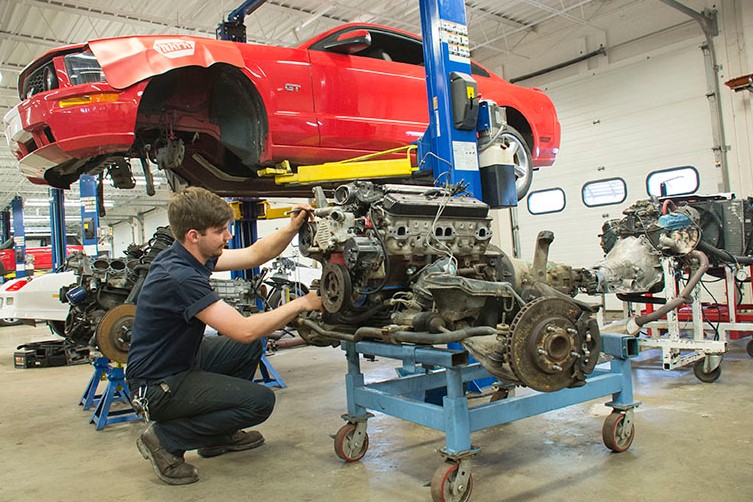
Automotive Technology: Driving Innovation and Efficiency

Automotive Technology: Driving Innovation and Efficiency

Imagine a world where vehicles are not just a means of transportation but also intelligent companions on the road, making our lives safer, more convenient, and environmentally friendly. Thanks to the rapid advancements in automotive technology, this vision is becoming a reality. From the early innovations that revolutionized the industry to the cutting-edge technologies shaping our future, automotive technology has come a long way. In this article, we will explore the evolution, key components, impact, future trends, challenges, and limitations of automotive technology. So fasten your seatbelts, and let’s embark on this exciting journey!

Evolution of Automotive Technology

Early Innovations in Automotive Technology

The roots of automotive technology can be traced back to the late 19th century when pioneers like Karl Benz and Henry Ford introduced the first mass-produced automobiles. These early vehicles, though primitive by today’s standards, laid the foundation for the automotive revolution. Innovations such as the internal combustion engine, steering systems, and pneumatic tires propelled the industry forward, enabling people to travel faster and more efficiently than ever before.

Modern Advances in Automotive Technology

In the past few decades, automotive technology has witnessed remarkable progress. The convergence of electronics, computer science, and engineering has given rise to a new era of smart vehicles. Advanced safety features like antilock braking systems (ABS), electronic stability control (ESC), and airbags have made driving safer for everyone. Furthermore, infotainment systems with touchscreens, Bluetooth connectivity, and voice recognition have transformed the driving experience, keeping us connected and entertained on the go.

Key Components of Automotive Technology

To truly appreciate the impact of automotive technology, let’s delve into its key components that make our vehicles smarter and more efficient.

Engine and Powertrain Systems

The heart of every vehicle lies in its engine and powertrain systems. Over the years, engines have become more powerful, fuel-efficient, and eco-friendly. From traditional internal combustion engines to hybrid and electric powertrains, automotive technology has diversified the choices available to consumers. These advancements have not only reduced emissions but also enhanced performance and overall driving experience.

Vehicle Safety Systems

Safety is paramount in the automotive industry, and technological advancements have made vehicles safer than ever before. From advanced driver assistance systems (ADAS) to collision avoidance technologies, automotive technology has transformed how we protect ourselves on the road. Features like adaptive cruise control, lane departure warning, and automatic emergency braking provide an extra layer of safety, reducing the risk of accidents and saving lives.

Infotainment and Connectivity

Gone are the days when a car was just a means of transportation. Modern vehicles are equipped with sophisticated infotainment systems that keep us connected and entertained throughout our journeys. Touchscreen displays, GPS navigation, voice commands, and smartphone integration have become standard features in many cars. We can now stream our favorite music, make hands-free calls, and even access real-time traffic updates with ease.

Autonomous and Electric Technologies

One of the most significant advancements in automotive technology is the rise of autonomous and electric vehicles. Self-driving cars, powered by artificial intelligence (AI) and sensor technologies, have the potential to revolutionize transportation. These vehicles can navigate roads, make decisions, and interact with the environment without human intervention. On the other hand, electric vehicles (EVs) offer a greener alternative to traditional gasoline-powered cars, reducing our dependence on fossil fuels and lowering carbon emissions.

Impact of Automotive Technology

The impact of automotive technology extends beyond the confines of the automotive industry. Let’s explore some of the significant benefits it brings to society.

Environmental Benefits

As the world grapples with the challenges of climate change and environmental degradation, automotive technology plays a crucial role in reducing the carbon footprint of transportation. Electric vehicles produce zero tailpipe emissions, helping to combat air pollution and greenhouse gas emissions. Furthermore, advancements in engine technology, lightweight materials, and aerodynamics contribute to improved fuel efficiency, reducing the overall environmental impact of vehicles.

Safety Enhancements

The integration of advanced safety systems has significantly improved road safety. Features like automatic emergency braking, blind-spot detection, and lane-keeping assist help prevent accidents and mitigate the severity of collisions. According to studies, vehicles equipped with these technologies have shown a reduction in accident rates, injuries, and fatalities. Automotive technology continues to evolve, aiming to create a future with zero traffic accidents and fatalities.

Increased Efficiency and Convenience

Automotive technology has enhanced the efficiency and convenience of everyday travel. GPS navigation systems help drivers find the best routes, avoiding congestion and saving time. Advanced driver assistance systems assist with parking, lane changing, and maintaining a safe distance from other vehicles. Moreover, the integration of smart home technologies allows for seamless connectivity between vehicles and our living spaces, enabling us to control home appliances, adjust temperature settings, and even receive package deliveries directly to our vehicles.

Future Trends in Automotive Technology

The automotive industry is on the cusp of groundbreaking advancements that will shape the future of transportation. Let’s explore some of the exciting trends that lie ahead.

Connected Vehicles and IoT Integration

The concept of connected vehicles, where cars communicate with each other and with the surrounding infrastructure, holds immense potential for improving safety and efficiency. Vehicle-to-vehicle (V2V) and vehicle-to-infrastructure (V2I) communication enable real-time exchange of data, allowing cars to anticipate potential hazards, optimize traffic flow, and provide drivers with up-to-date information. This connectivity also opens doors to new services, such as remote diagnostics, over-the-air software updates, and personalized in-car experiences.

Artificial Intelligence and Machine Learning

Artificial intelligence (AI) and machine learning are revolutionizing automotive technology. AI-powered systems can analyze vast amounts of data from sensors, cameras, and radars to make split-second decisions, enhancing vehicle safety and performance. Machine learning algorithms enable vehicles to learn from real-world driving scenarios and continuously improve their capabilities. From predictive maintenance to personalized driving experiences, AI and machine learning will play a pivotal role in shaping the future of automotive technology.

Advanced Energy Storage and Propulsion Systems

The quest for sustainable transportation has fueled the development of advanced energy storage and propulsion systems. Battery technology is evolving rapidly, with increased energy density and faster charging capabilities. This progress is driving the widespread adoption of electric vehicles, offering longer ranges and shorter charging times. Additionally, hydrogen fuel cell technology shows promise as a clean and efficient alternative to traditional internal combustion engines. These advancements will contribute to reducing greenhouse gas emissions and achieving a greener transportation landscape.

Challenges and Limitations of Automotive Technology

While automotive technology holds immense potential, it also faces certain challenges and limitations that need to be addressed for widespread adoption and success.

Infrastructure Requirements

The transition to electric vehicles poses infrastructure challenges. Establishing an extensive charging network is crucial to support the growing number of EVs on the road. Governments and private entities need to invest in charging stations that are easily accessible and capable of fast charging. Additionally, developing smart infrastructure to support connected vehicles and enable seamless communication between vehicles and the surrounding environment is essential.

Data Security and Privacy Concerns

As vehicles become more connected and collect vast amounts of data, ensuring data security and privacy becomes paramount. The risk of cyberattacks targeting vehicles’ systems and data is a significant concern. Manufacturers and technology providers must invest in robust cybersecurity measures to protect vehicles from unauthorized access and data breaches. Clear regulations and standards regarding data collection, usage, and privacy are also necessary to establish trust among consumers.

Adoption and Affordability

While automotive technology continues to advance, the cost of implementing these technologies remains a significant barrier to widespread adoption. Advanced safety systems, electric vehicles, and autonomous technologies often come at a higher price point, making them inaccessible to many consumers. Continued innovation and economies of scale are needed to drive down costs and make these technologies more affordable and accessible to the general public.

Conclusion

Automotive technology has transformed the way we perceive and experience transportation. From early innovations to the latest advancements, it has revolutionized vehicle safety, efficiency, and connectivity. The future holds even more exciting possibilities with connected vehicles, AI-driven systems, and sustainable propulsion technologies. However, addressing challenges such as infrastructure requirements, data security, and affordability is crucial for the widespread adoption of these technologies. As automotive technology continues to evolve, it will shape a future where transportation is safer, greener, and more convenient than ever before.

FAQs

1. How does automotive technology improve fuel efficiency?

Automotive technology improves fuel efficiency through advancements in engine technology, lightweight materials, aerodynamics, and hybrid or electric powertrain systems. These innovations reduce fuel consumption and emissions, leading to increased efficiency and reduced environmental impact.

2. Are autonomous vehicles safe?

Autonomous vehicles are designed to prioritize safety. They use advanced sensors, cameras, and AI algorithms to navigate the road and make informed decisions. While the technology continues to evolve, rigorous testing and safety protocols are in place to ensure the safe operation of autonomous vehicles.

3. What is the role of artificial intelligence in automotive technology?

Artificial intelligence plays a vital role in automotive technology. AI enables vehicles to analyze data, make real-time decisions, and improve their performance. From driver assistance systems to autonomous driving capabilities, AI enhances safety, efficiency, and overall driving experience. It enables vehicles to recognize and respond to road conditions, traffic patterns, and potential hazards. AI algorithms also contribute to advanced features such as voice recognition, natural language processing, and personalized infotainment systems, making the driving experience more convenient and enjoyable.

4. How will automotive technology impact the job market?

Automotive technology brings both opportunities and challenges to the job market. While some traditional jobs in the automotive industry may be replaced by automation, new job roles will emerge to support the development, maintenance, and integration of advanced technologies. There will be a growing demand for skilled professionals in areas such as software engineering, data analytics, cybersecurity, AI development, and electric vehicle infrastructure. It is crucial for individuals to adapt their skills and embrace lifelong learning to stay relevant in the evolving automotive industry job market.

5. What are the challenges of implementing electric vehicles?

The implementation of electric vehicles (EVs) faces several challenges. One major challenge is the availability of charging infrastructure. Establishing a widespread charging network that is accessible, reliable, and fast-charging is essential for the widespread adoption of EVs. Another challenge is the limited driving range of current EVs compared to traditional internal combustion engine vehicles. The development of advanced battery technology to increase range and reduce charging times is a focus of ongoing research and development. Additionally, the affordability of EVs remains a challenge, as the initial cost of purchasing an electric vehicle is often higher than that of a traditional vehicle. However, as technology advances and economies of scale are achieved, the cost of EVs is expected to decrease, making them more accessible to a broader range of consumers.

Partner Site : Business Tips , Health News, Future Technology, Home Decorating, Travel Tips, Classic Car, Online Education, Business Law, Women Fashion, Beauty Salon